
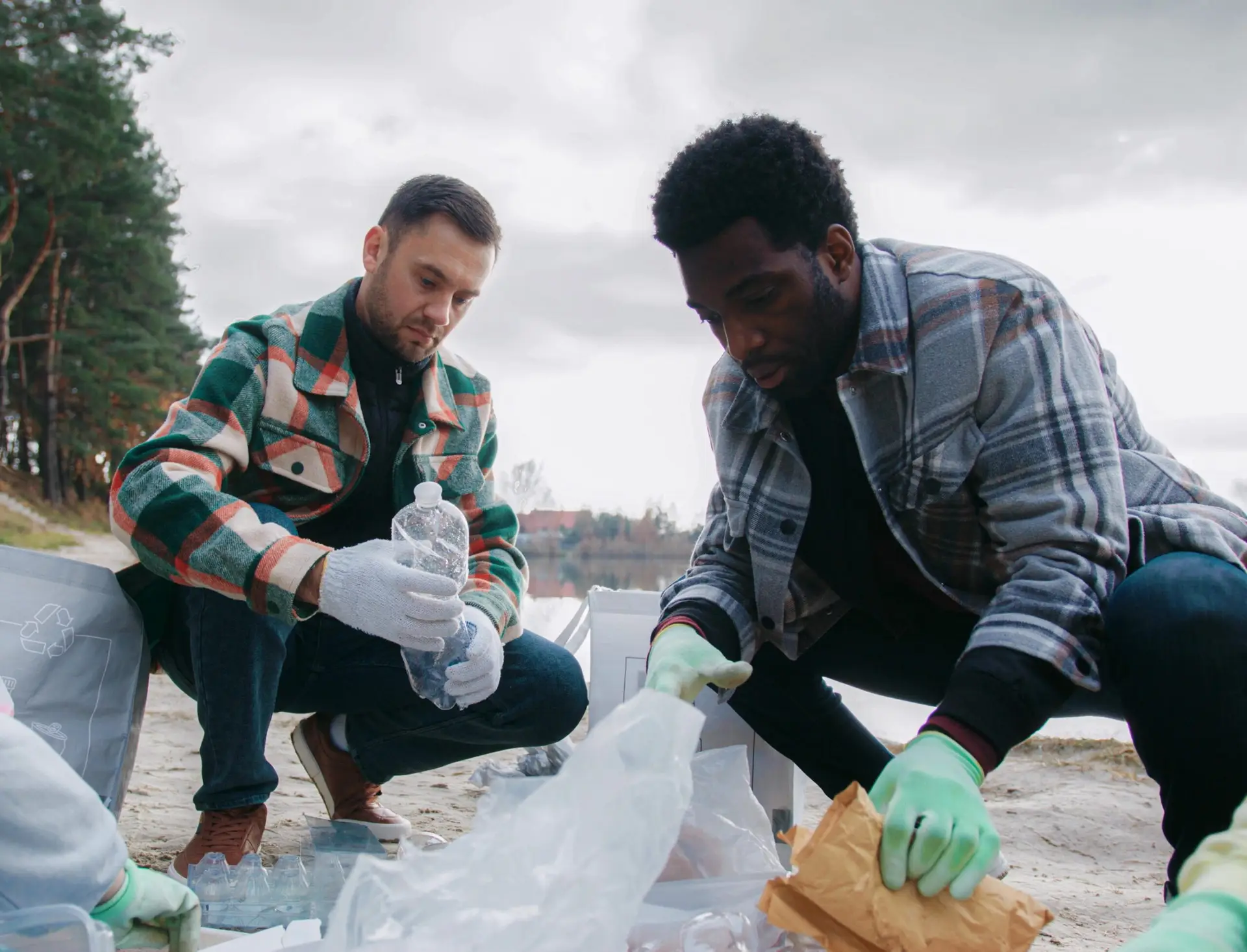

Inverness Friends Take on Scotland’s East Coast Waste Crisis.
What began as a university project among friends has grown into a passionate environmental mission sweeping the shores of Scotland’s east coast. Thomas Erwin, originally from Inverness, and his close friends from their days at Edinburgh University, have founded CoastSafe Collective — an initiative dedicated to tackling the rising tide of hazardous waste polluting Scotland’s beaches.
Their efforts, which started informally during weekend trips, have now become a well-organized campaign focused on regularly cleaning key nature-rich beaches, from Aberdeenshire to Fife. Their mission is clear: prevent plastics, toxic debris, and fishing waste from choking coastal habitats and endangering marine life.
From Student Idea to Grassroots Movement
Thomas Erwin reflects on the origins of CoastSafe:
“It started out as something small — a group of friends who loved hiking and exploring the coastlines, but we kept seeing the same problem: beaches littered with plastic, rope, and all kinds of dangerous waste. We couldn’t ignore it.”
Determined to scale up their impact, the group turned to Raisit.org, an online crowdfunding platform, where they launched a transparent and heartfelt appeal. The campaign resonated widely, raising over £18,000 in just three months. The funds allowed the group to purchase essential equipment: heavy-duty gloves, specialized waste collection tools, safety gear, and even portable recycling bins.
They also invested in educational resources, launching community workshops in coastal towns and schools. Their sessions emphasise the devastating effects of marine pollution and the urgent need for responsible waste disposal.
Protecting Nature and Inspiring Change
The east coast of Scotland is rich in biodiversity — home to seals, seabirds, and delicate marine ecosystems. CoastSafe’s intervention has already made a difference. Beaches near Inverness, Montrose, and St Andrews are cleaner, with less plastic waste threatening nesting birds and aquatic species.
But for Thomas and his team, the project is about more than just cleaning up; it’s about changing attitudes.
“We want people to see that the coastline isn’t just scenic — it’s fragile. Every bottle cap, every discarded net has the potential to harm wildlife. The more people understand this, the more likely they are to change their habits.”
A Growing Movement in Need of Support
Looking ahead, the group is ambitious. They aim to expand their reach, forming partnerships with local councils, environmental NGOs, and schools to replicate the model across more coastal communities.
However, expanding their work comes with costs. From transportation to equipment maintenance and educational materials, funding remains a constant challenge.
“We’ve been lucky with the support so far,” says Thomas, “but to protect more of our coastline, we need more hands, more resources — and more donations.”
Supporters can contribute through Raisit.org, where CoastSafe continues to seek funding. They also encourage volunteers to join their scheduled clean-up drives, which are announced on their social media channels.
A Call to Action
The CoastSafe Collective’s message is urgent but hopeful: while the problem of marine waste is daunting, local action can lead to real change. With every piece of waste removed and every conversation started, the group edges closer to a future where Scotland’s shores remain a haven for nature — not a dumping ground.